
There’s a moment that brings most people here. It’s not usually a clinical one. It’s quieter than that. You start noticing patterns, things that never quite made sense before. Focus that slips away too easily. A mind that feels constantly “on”. Or maybe it’s your child, and something just doesn’t feel aligned with how they’re coping day to day.
So you search.
“How do I get an ADHD diagnosis in Scotland?”
And what you really want is a clear answer, without being sent in circles.
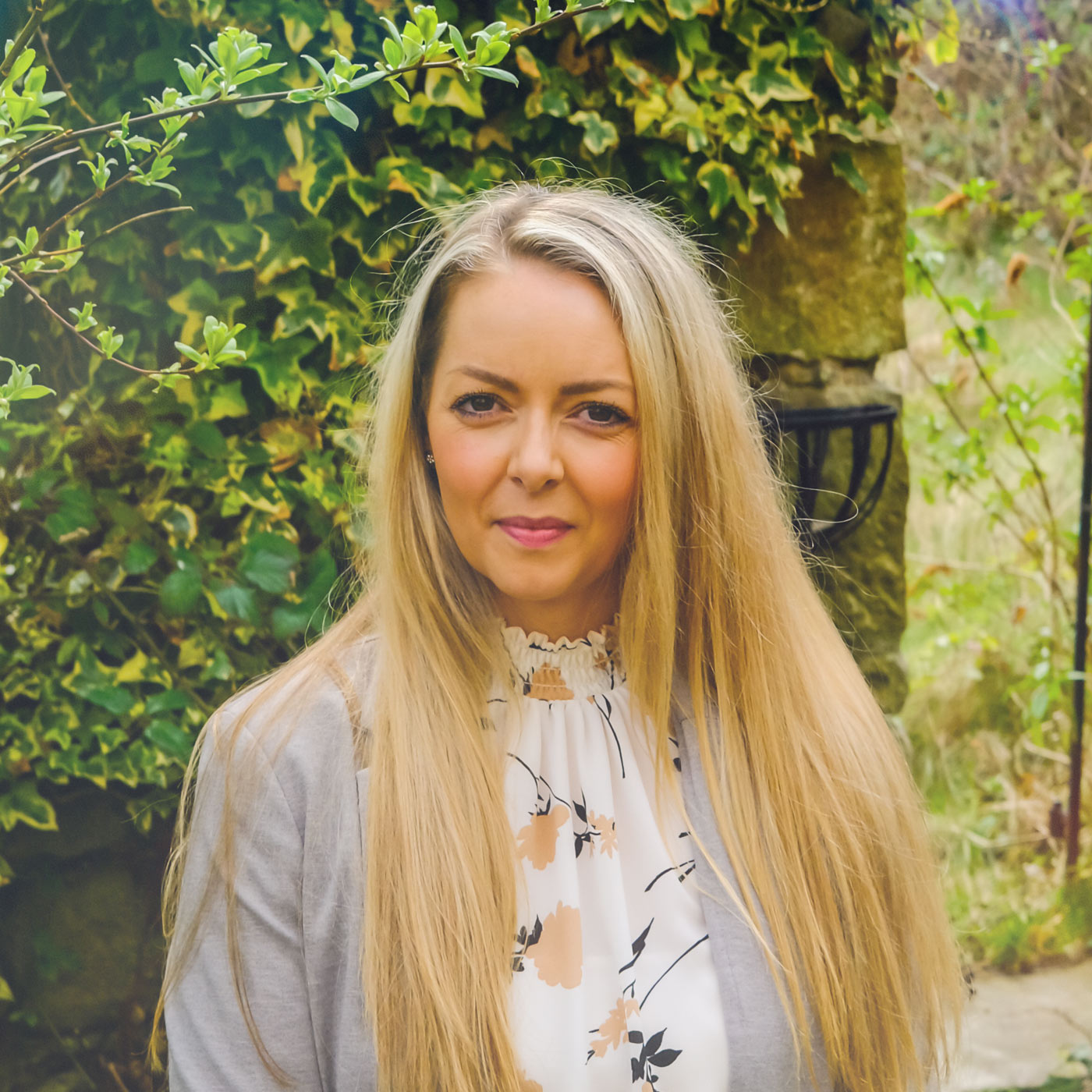
I’m Gemma, and I speak to people going through this process every week. Let’s walk through it properly.
A Quick Answer, What the Process Looks Like
In Scotland, you can start an ADHD diagnosis in two main ways, through your GP (NHS route) or through a private clinic. The NHS pathway usually begins with a GP referral to a specialist service. The challenge is waiting times, which can stretch into months, sometimes longer depending on your area.
Private assessments are often faster and more direct. You can self-refer, book an assessment, and move through the process with a structured clinical team. Both routes aim to do the same thing, reach a clear, evidence-based diagnosis. The difference is mostly time, access, and how supported you feel along the way.
Is It Different in Ayr, Glasgow or Edinburgh?
This is something people ask a lot, and it makes sense.
The diagnosis itself doesn’t change based on where you live. ADHD is assessed using recognised clinical criteria, typically aligned with diagnostic frameworks like NICE guidelines or DSM-5 criteria.
What Do NICE Guidelines and DSM-5 Criteria Mean?
When people hear terms like NICE guidelines or DSM-5 criteria, it can sound a little formal. In simple terms, they help clinicians make sure an ADHD assessment is structured, fair and based on recognised clinical standards, not guesswork.
| Clinical Term | What It Means | What You Can Expect |
|---|---|---|
| NICE Guidelines | NICE provides guidance for recognising, diagnosing and managing ADHD in children, young people and adults. | Your assessment should look at your full history, current difficulties, daily impact and what support may be needed after diagnosis. |
| DSM-5 Criteria | DSM-5 is one of the recognised diagnostic frameworks used to identify ADHD symptoms, including inattention, hyperactivity and impulsivity. | The clinician will look at whether symptoms are persistent, started earlier in life and affect more than one area, such as home, school, work or relationships. |
| ICD-11 Criteria | ICD-11 is another recognised diagnostic framework sometimes used alongside DSM-5 in clinical settings. | The aim is to understand whether your symptoms fit ADHD or whether another explanation may better describe what you are experiencing. |
| Rating Scales | Questionnaires can support the assessment, but they should not be used on their own to diagnose ADHD. | You may be asked to complete forms, and for children this may include input from parents, carers or school staff. |
| Clinical Judgement | A diagnosis is made by a qualified professional using evidence from several sources. | You should expect a proper conversation, not just a tick-box exercise. |
What does change is access. In places like Glasgow and Edinburgh, there are more services available, both NHS and private, which can mean slightly more flexibility in how you’re assessed.
In areas like Ayr, services may be more limited, and people often look beyond their immediate location for support, especially if they want a quicker route. So the experience can feel very different depending on where you are, even though the clinical process remains the same.
What Actually Happens During an ADHD Assessment?
This is the part people often feel unsure about.
It’s not a quick test or a single conversation. A proper ADHD assessment is detailed and looks at your life as a whole. You’ll usually talk through your history, school experiences, work patterns, relationships, and how you function day to day. For children, this often includes input from parents, teachers, or school reports. The goal isn’t to “label” you. It’s to understand how your brain works, and whether ADHD explains those patterns in a clinically meaningful way. And sometimes, it doesn’t.
That’s just as important.
After the Diagnosis, What Does It Mean for You?
This is where the conversation shifts. Because a diagnosis isn’t the end of the journey, it’s the beginning of understanding.
For adults, it can bring a kind of clarity that’s hard to describe. Things that felt like personal failings suddenly have context. There’s often relief, sometimes frustration, and occasionally grief for the years spent not knowing. For children, it can change how support is structured. Schools can put adjustments in place. Parents gain a clearer framework for helping their child navigate learning and behaviour.
What happens next depends on your needs, but it often includes:
- A tailored support plan
- Discussion around therapy or coaching
- Medication options, if appropriate
- Ongoing guidance, not just a one-off appointment
The most important part is that you’re not left on your own after the diagnosis. Or at least, you shouldn’t be.
A Thought That Comes Up a Lot
People often ask me quietly, sometimes at the end of a call:
“What if I get diagnosed… and nothing changes?”
It’s a fair question.
The reality is, the diagnosis itself doesn’t change your life overnight. But understanding does. And that understanding opens the door to the right kind of support, the right adjustments, and in many cases, a completely different way of moving through the world.

For Adults and Children, It’s Not the Same Journey
It’s worth saying this clearly. Adults often arrive at diagnosis after years of adapting, masking, or pushing through. The process can feel reflective, even emotional. Children are usually identified earlier, often through school or behavioural patterns. The focus is more forward-looking, how to support development, learning, and confidence from this point on. Same condition, very different starting points.
From Me to You
If you’re here, you’ve already taken the first step, even if it doesn’t feel like it. You’ve noticed something. You’ve questioned it. You’ve looked for answers.
That matters.
Whether you go through your GP or choose a private route, the goal is the same, to understand yourself or your child better, and to build something more supportive from there. And if you’re unsure where to start, that’s completely normal too. That’s usually where we begin.